
-
By admin
-
February 8, 2024
- 0 Comment
How Hydraulic Bolting Tools Improve Flange Joint Safety in the Oil and Gas Industry
The Importance of Accurate Flange Tightening
A reliable flange connection depends on maintaining the correct bolt preload and gasket compression. If the fasteners are tightened unevenly, the gasket may not seal properly, increasing the risk of leakage and unplanned maintenance.
Excessive tightening can also damage fasteners, distort flange components, or compromise the joint. For this reason, industrial bolting operations require a planned tightening sequence and appropriate tools. Hydraulic equipment helps technicians apply the required torque or bolt tension with greater control, supporting consistent assembly when used according to approved procedures.
How Hydraulic Bolting Equipment Operates
Hydraulic torque wrenches
Hydraulic bolt tensioners
Apply a controlled tensile force directly to the stud bolt, temporarily stretching it. The nut is then brought into contact with the flange surface. When the hydraulic pressure is released, the bolt contracts slightly and develops the required clamping force. The achievable preload depends on the tensioning procedure and the effects of load transfer during nut seating.
The choice between these technologies depends on the flange design, fastener specifications, available working space, and the required bolting procedure.
Major Applications of Hydraulic Bolting Tools
Pipeline flange connections join pipe sections and connect pipelines to valves, pumps, and other equipment. Hydraulic bolting tools help maintenance teams tighten these joints according to the specified requirements.
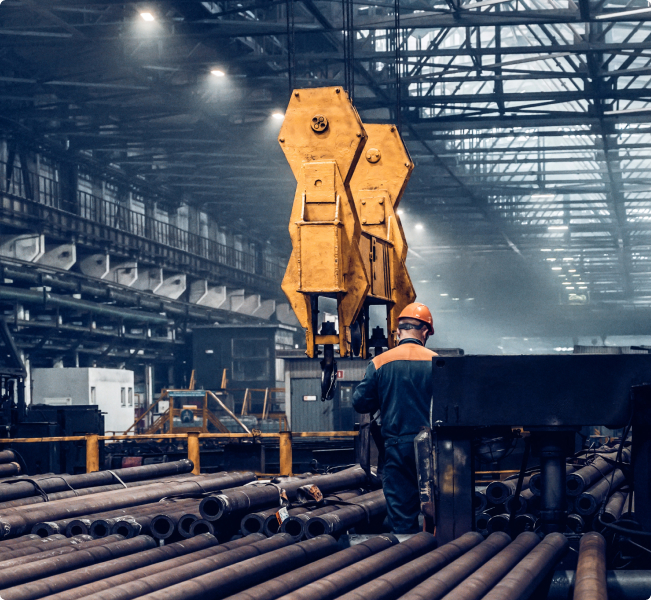
Refineries contain extensive piping networks, storage vessels, heat exchangers, and processing equipment. Hydraulic bolting solutions are valuable during plant installation, shutdowns, inspections, and scheduled maintenance.
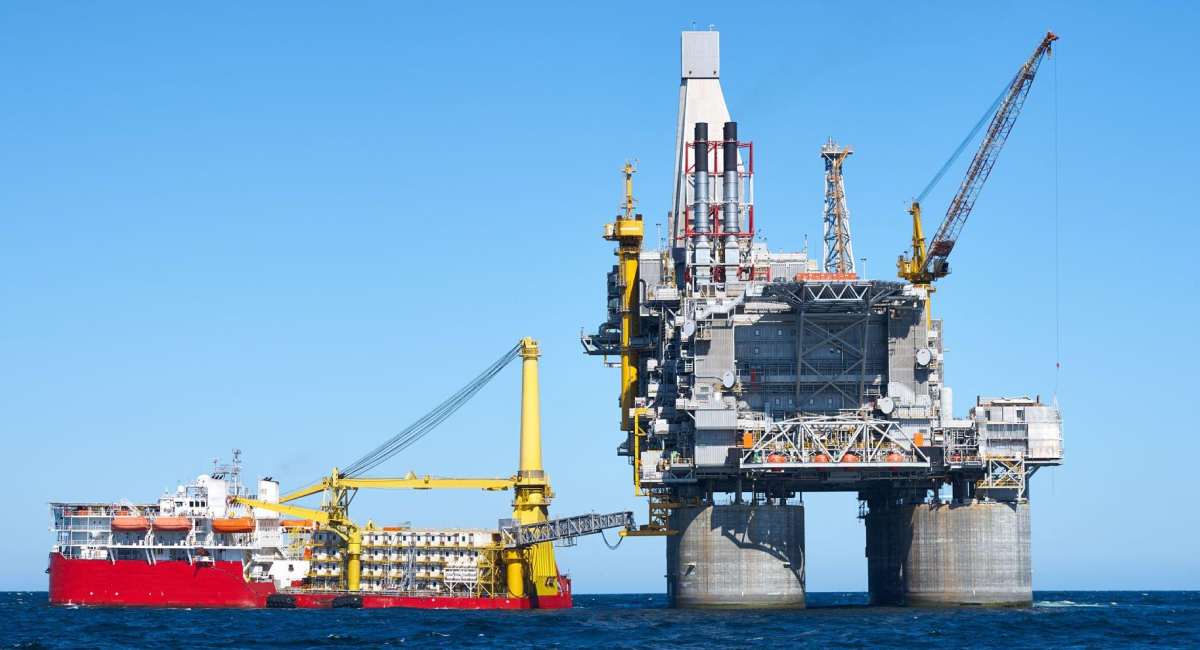
Offshore installations frequently have restricted access, demanding operating conditions, and limited maintenance windows. Compact hydraulic bolting equipment can help crews perform suitable flange assembly and maintenance tasks in these challenging environments.
Hydraulic Bolting Tools Compared with Conventional Wrenches
Mechanical torque wrenches remain suitable for many standard fastening applications. However, large industrial flanges may require higher torque, specialised access arrangements, or more controlled loading methods.
Hydraulic torque wrenches provide high torque output with comparatively less manual effort, while hydraulic bolt tensioners are designed to stretch fasteners directly. The correct option should be selected based on bolt diameter, required preload, joint criticality, accessibility, and the manufacturer’s recommendations.
Hydraulic equipment does not automatically guarantee uniform bolt loading. Proper calibration, operator training, lubricant selection, bolt condition, and the prescribed tightening sequence remain essential.
Best Practices for Reliable Flange Connections
For dependable flange assembly, maintenance teams should inspect fasteners and flange surfaces before tightening. They should verify the gasket specification, follow the approved bolt-tightening sequence, and use calibrated equipment with the correct pressure-to-output settings.
Where specified, a controlled multi-pass tightening procedure and a final verification step can help achieve the required bolt load. All work should follow the applicable engineering procedure and site safety requirements.
Conclusion
“Hydraulic bolting tools are an important part of modern flange assembly and maintenance in the oil and gas industry. By providing controlled torque or direct bolt tension, they help technicians manage critical bolted connections on pipelines, pressure vessels, valves, and refinery equipment. TORSO TOOLS LTD. offers industrial bolting solutions for demanding fastening applications. Selecting the appropriate equipment and following the correct tightening procedure can support reliable flange performance, reduce leakage risks, and improve maintenance efficiency. ”